The Allure of Sensory Stimulation
One of the primary aspects of casino design is the strategic use of sensory stimulation to create an immersive environment. From the moment a guest steps inside a casino, they are greeted with a flood of sights, sounds, and scents. Bright lights flash from slot machines, creating a vibrant atmosphere that instantly attracts attention. The sound of coins clinking and machines chiming is specifically designed to evoke excitement and stimulate the senses, encouraging players to engage more actively. This sensory overload contributes to the overall allure of gambling venues, making them environments where time can easily slip away, especially when exploring https://mcw-official.com/ for additional insights on casino entertainment.
Moreover, the careful selection of audio elements plays a significant role, as music and ambient sounds are often tailored to evoke specific emotions. For instance, upbeat tempos can heighten feelings of elation and urgency, pushing players to bet more. Additionally, the scents used within these spaces, like subtle fragrances or the smell of fresh popcorn, can create a sense of comfort and pleasure, enhancing the experience further. These tailored sensory experiences are not merely decorative; they contribute significantly to the psychological impact of the casino environment, affecting how long guests stay and how much they spend.
The design doesn’t stop at auditory and visual stimulation; it also incorporates tactile elements that invite interaction. The textures of various game tables and slot machines are designed to feel inviting and engaging. For example, smooth, polished surfaces may encourage players to reach out and touch, enhancing their connection to the games. This intricate play with sensory elements leaves a memorable impression, anchoring the casino experience in the minds of visitors and prompting them to return for more.
The Power of Layout and Flow
Another crucial aspect of casino design lies in the layout and flow of the gambling area. Architects and designers meticulously plan the geographical arrangement of games, ensuring that high-stakes tables are placed strategically to provide visibility and draw interest from passersby. This sort of design manipulation creates a flow that guides players through a carefully curated landscape, invoking curiosity and excitement as they wander deeper into the space. By positioning various games in a way that allows players to easily transition from one to another, casinos can keep guests engaged for longer periods.
The psychological principle of the “path of least resistance” is often employed in casino layouts. Designers arrange pathways that lead guests to their desired games efficiently, minimizing friction in their visiting experience. This can result in increased spending, as players are less likely to get distracted or deterred by unnecessary obstacles. The design also includes strategic entrances and exits that funnel guests into the main gaming area while offering an enticing view of the action, maintaining a sense of mystery and promoting exploration.
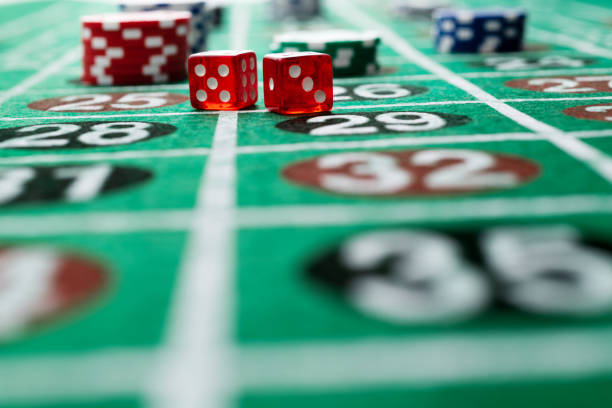
Moreover, the placement of amenities such as bars and restaurants within the gaming area serves as a subtle but effective way to encourage players to prolong their visit. These spaces are often integrated in a way that encourages social interaction, allowing players to enjoy food and drinks while still remaining close to their favorite games. This blending of amenities with gaming areas enhances the overall guest experience, reinforcing the allure of the casino as a multifaceted entertainment destination.
The Illusion of Time and Space
Casinos are renowned for their ability to distort perceptions of time and space, a psychological tactic that keeps players engaged far longer than they might intend. One of the most notable techniques employed is the absence of clocks and windows. By eliminating natural sightlines and time indicators, casinos create an environment where guests lose track of time, often leading to extended play sessions. This design choice is not accidental; it is a calculated move to encourage visitors to stay longer and, as a result, spend more money.
The layout is often designed to give the impression of infinite space, with winding pathways and strategically placed mirrors that create an illusion of a larger area. This feeling of endlessness enhances the player’s excitement and deepens their immersion in the gaming experience. As a result, guests are more likely to forget the outside world, including pressing personal obligations or even meal times, driving them to gamble beyond their initial intentions.
Furthermore, the psychological impact of lighting plays a crucial role in this illusion. Soft, ambient lighting creates a cozy and inviting atmosphere, while strategically placed bright lights draw attention to gaming areas. This carefully crafted environment engages players and keeps them focused on the thrill of the game, effectively manipulating their sense of time and spatial awareness. Consequently, players become engrossed in their activities, allowing casinos to maintain a steady flow of business while harnessing the subtleties of human psychology.
The Role of Rewards and Loyalty Programs
Reward systems and loyalty programs are fundamental elements of casino design that leverage psychological principles to encourage repeat visits and increased spending. These programs are designed to cater to the desires for recognition and immediate gratification, appealing to a player’s sense of achievement. By offering rewards based on betting behavior, casinos tap into the psychological phenomenon of operant conditioning, where players feel motivated to engage in specific behaviors to receive desirable outcomes.

The tiered nature of loyalty programs further enhances this experience, creating a sense of status among players. As individuals progress through different tiers, they gain access to exclusive rewards, which fosters a competitive spirit that encourages additional play. This social component is crucial as it transforms gambling from a solitary activity to one embedded with social recognition, encouraging loyalty to one particular casino brand over others.
Promotions and bonuses are also strategically designed to entice players. The allure of free spins or bonus money can ignite excitement and a sense of urgency, prompting individuals to gamble more heavily than they initially planned. These tactics create a psychological push, making it easier for players to justify spending more money and extending their playtime. This symbiotic relationship between rewards and player behavior is a finely tuned aspect of casino design that maximizes profit while enhancing the overall customer experience.
Exploring the Digital Casino Landscape
The evolution of technology has also brought the casino experience to the digital realm, where the psychology of design continues to play a crucial role. While traditional casinos rely heavily on physical layouts and sensory experiences, online platforms are leveraging digital design principles to create engaging environments. High-quality graphics, immersive soundscapes, and interactive gaming features replicate the feel of a physical casino, making digital platforms just as enticing.
In the online space, user-interface design and navigation are fundamental to retaining player interest. A seamless experience that allows players to easily find their favorite games fosters engagement and encourages extended play. Just like physical casinos, online platforms utilize promotional strategies, including welcome bonuses and cash-back offers, to draw users in and keep them returning for more. This targeting of player psychology ensures a sustained interest in the digital gaming experience.
Moreover, the analytics tools available online provide insights into player preferences and behaviors, allowing digital casinos to tailor their offerings more effectively. By understanding what drives user engagement, platforms can constantly refine their designs and reward structures, ensuring they resonate with their audience. This adaptive approach to casino design is vital for staying relevant in a competitive industry, employing psychological principles to optimize user retention and satisfaction.