The Essence of Luck in Casinos
When we think about casinos, the concept of luck often springs to mind. Players flock to these establishments with the hope of hitting the jackpot or achieving a significant win. The very architecture and ambiance of a casino seem designed to evoke a sense of fortune, especially at a fast withdrawal online casino canada where the excitement blends seamlessly with quick payouts. Bright lights, upbeat music, and the presence of eager gamblers all contribute to this enchanting environment. However, while luck plays a role in the games, it is crucial to understand that casinos are structured environments where chance intersects with skill, strategy, and odds.
The psychology of luck in casinos extends beyond mere chance. Many patrons develop superstitions and rituals they believe will enhance their luck. They may throw dice in a particular manner or wear specific items thought to bring good fortune. These behaviors highlight the human desire to control outcomes despite the randomness inherent in gambling. Casino design further amplifies this notion, as games of chance are often strategically placed to foster excitement and attract players, thus heightening the perception that luck is abundant.
It’s essential to acknowledge that for every triumphant winner, numerous players leave without significant gains. While some individuals strike it rich, studies have shown that the odds are generally stacked against the player. In many games, such as slots or roulette, the house edge ensures profitability for the casino over time. Luck might provide a fleeting moment of triumph, but the longer one plays, the more likely they are to return to the house as a net loser, demonstrating the unpredictable nature of luck in gambling establishments.
The Role of Probability and House Edge
Understanding the principles of probability is fundamental to grasping why casinos are a blend of luck and strategy. Each game has a specific house edge, a mathematical advantage that the casino maintains over players. For example, in games like blackjack, skilled players can reduce the house edge through strategic play and card counting. Nevertheless, this level of skill requires significant knowledge and practice, a dimension often overshadowed by the allure of luck.
The presence of a house edge means that while players may experience occasional wins, the casino is designed to remain profitable in the long run. According to statistical analyses, games are crafted so that the longer players engage, the more likely they are to lose. This principle applies across numerous games, from poker to baccarat. Even when luck seems to play a part in short-term outcomes, the mathematical realities underline the fundamentally risky nature of gambling.
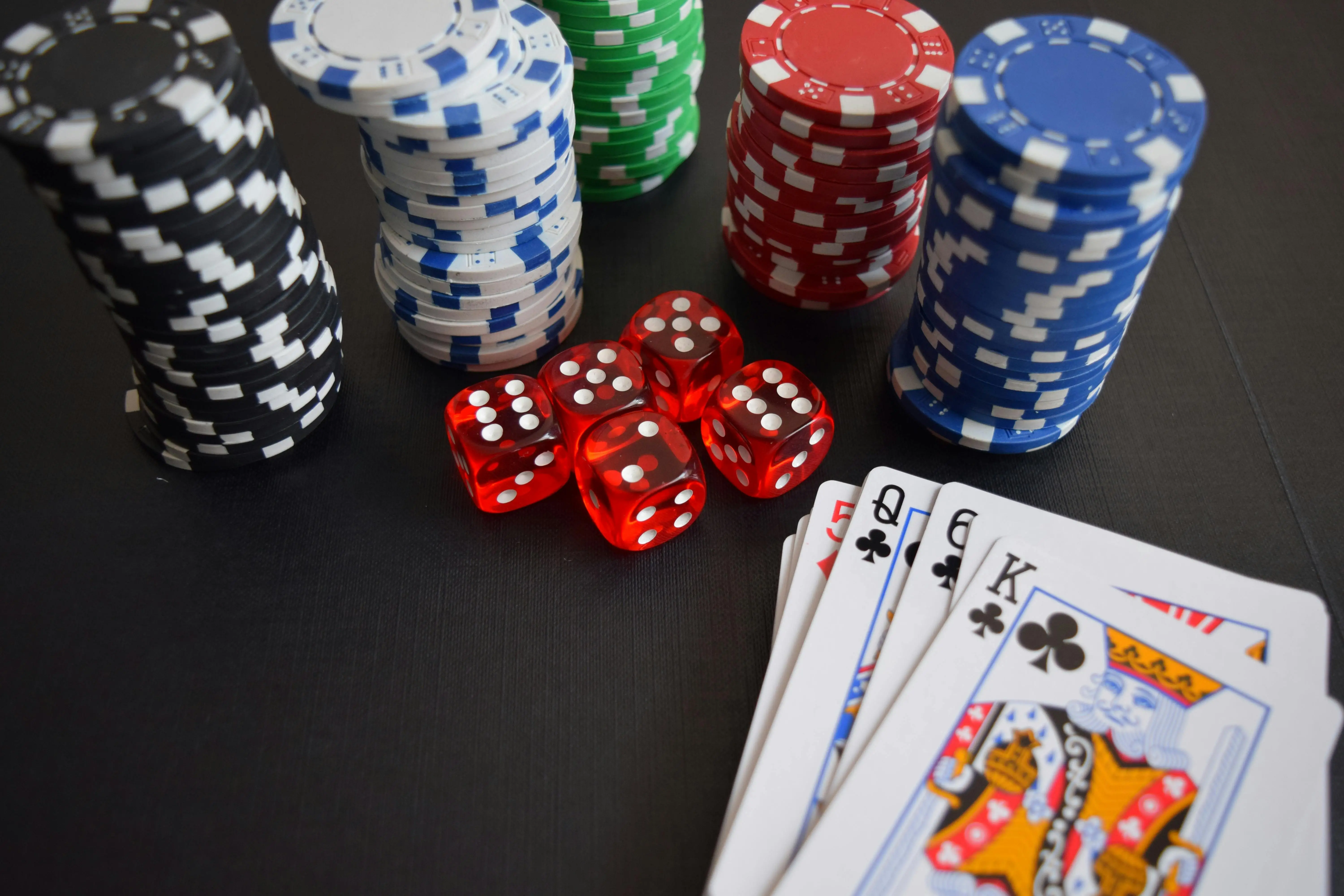
Moreover, the randomness of outcomes in games like slots, which utilize random number generators, means that luck is genuinely unpredictable. Players may experience long streaks of losses, followed by unexpected wins, contributing to the illusion that casinos are primarily luck-driven. This unpredictability is part of what draws people to casinos, despite the inherent risks involved. The juxtaposition of chance and strategy creates a thrilling atmosphere where anticipation and excitement reign, making casinos captivating places to visit.
The Illusion of Winning
An essential aspect of the casino experience is the concept of winning. Casinos are designed to showcase winners prominently, reinforcing the idea that luck is abundant. This phenomenon plays heavily into marketing strategies, as casinos often feature large displays of jackpot winners, showcasing their successes to attract new players. This focus on visible success creates an environment where visitors feel that fortune is just around the corner, even if statistically, it is not.
The psychological impact of witnessing winners is profound. Many players mistakenly believe that because others are winning, their opportunity to do the same is imminent. This perception leads gamblers to continue playing, often disregarding the odds. The experience can become a cycle of hope and enthusiasm, making it easy to lose track of time and money, as players chase the elusive ‘big win’ fueled by a perceived atmosphere of luck.
However, it is crucial to recognize that for every winner displayed, countless players are experiencing losses, potentially creating financial strain. The allure of winning blinds many to the harsh realities of gambling, where the odds are routinely against them. Thus, the illusion of winning serves as both a motivational tool for players and a reminder that luck is not a reliable companion in the long run. Casinos thrive on this dynamic, balancing the thrill of victory with the reality of loss.
The Emotional Highs and Lows of Gambling
The emotional journey of gambling in a casino is as varied as the games offered. Many players experience an adrenaline rush when they place bets, spin the reels, or roll the dice, feeding into the notion that casinos are indeed thrilling, luck-filled environments. This emotional high can lead to impulsive decisions, as players chase the thrill of a win, often disregarding their original plans or budget. The intense atmosphere amplifies these feelings, creating a euphoric experience that many find hard to resist.
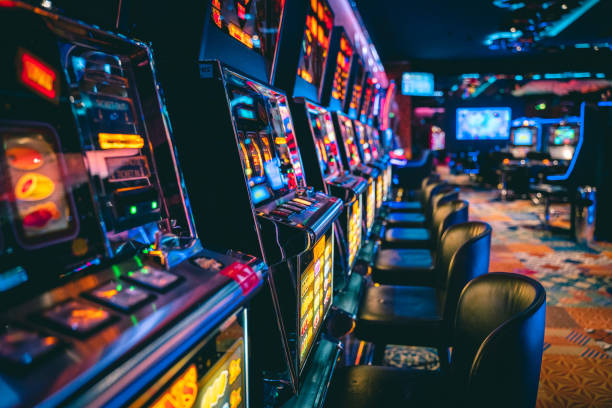
Conversely, the emotional lows can be equally significant. Losing streaks can result in frustration, disappointment, and even despair, as individuals confront the reality of their losses. Many gamblers report feelings of regret and overwhelm as they navigate the highs of winning and the lows of losing. This emotional rollercoaster is part of what makes gambling so captivating yet hazardous, as it plays on human psychology and the desire for both thrill and escape.
Ultimately, the emotional highs and lows create a complex relationship between players and casinos. While many people enjoy gambling for the excitement and entertainment, the potential for emotional distress and financial loss cannot be understated. Understanding these dynamics is crucial for anyone considering visiting a casino, as the quest for luck can lead to both exhilarating highs and discouraging lows. It is essential to approach gambling with awareness and caution to ensure a balanced experience.
The Reality of Luck and Strategy in Casinos
As we delve into the question of whether casinos are truly the luckiest places on Earth, it becomes clear that luck and strategy coexist within these vibrant environments. While the thrills and excitement that casinos offer can create a sense of fortune, it is paramount to acknowledge the underlying mathematical principles that govern these games. The house edge and probability consistently remind us that luck is unpredictable and often leads to unexpected outcomes.
The emotional aspects of gambling further complicate our understanding of luck in casinos. The highs of winning can be intoxicating, while the lows of losing can leave lasting impacts. These emotional experiences, coupled with the illusions of winning presented by casinos, contribute to the enduring allure of gambling. However, it is essential for players to maintain a realistic perspective and recognize the inherent risks involved.
In conclusion, while luck does play a role in the casino experience, it is merely one component of a more complex system. Success in gambling often relies on a blend of strategy, knowledge, and a keen understanding of probability. Thus, while some may deem casinos luck-filled spaces, it is imperative to approach them with caution and awareness, ensuring that the pursuit of enjoyment does not overshadow the importance of responsible gambling practices. By understanding these facets, players can navigate the intricate world of casinos more wisely.